
Expert Picks For Reliable Window Sealing Solutions
Find out which window sealing products professionals trust to enhance comfort and reduce energy costs around your home.
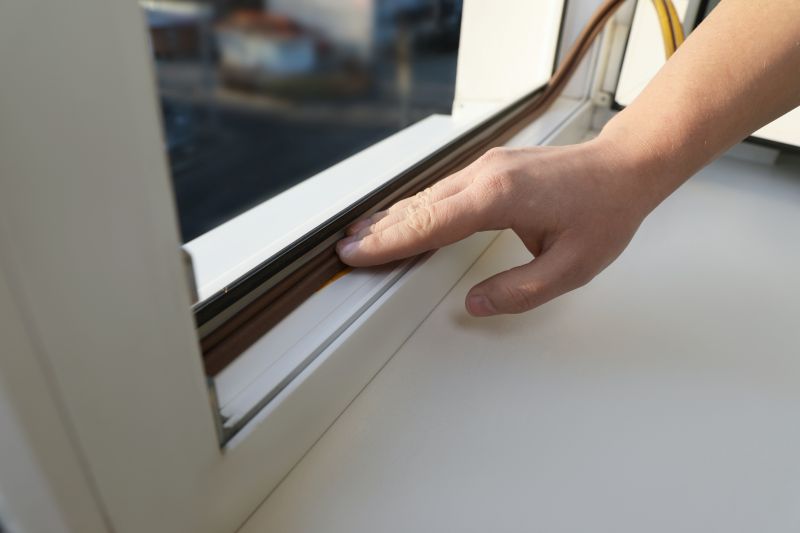 Window sealing products play a vital role in maintaining indoor comfort by reducing drafts, preventing air leaks, and enhancing energy efficiency. Properly sealed windows can help regulate indoor temperatures, minimize noise infiltration, and protect against dust and pollen intrusion. There are various types of sealing solutions available, each suited to different window styles and needs. From simple weatherstripping to more advanced sealing tapes and foam strips, selecting the right product can make a noticeable difference in your living environment.
Top Overall Option
Comprehensive Window Seal Kit
A versatile and user-friendly sealing kit that includes a variety of weatherstripping materials suitable for different window types and gaps. Its multi-layer design allows for effective sealing against drafts, dust, and noise, making it a popular choice for homeowners seeking an all-in-one solution. The kit typically features self-adhesive strips, foam tapes, and rubber seals, enabling customization to fit specific window needs. Easy to install with basic tools, it offers a practical approach to improving window insulation without extensive modifications.
Types of Products For Window Sealings
Weatherstripping Tape
Adhesive-backed strips designed to seal gaps around window sashes and frames, available in foam, rubber, or vinyl materials.
Foam Tape
Flexible foam strips that compress to fill irregular gaps and improve insulation around window edges.
Rubber Seals
Durable rubber strips that provide a tight seal against air and water infiltration, suitable for various window types.
Silicone Sealant
A versatile liquid sealant that can be applied to gaps and cracks for a long-lasting, flexible seal.
V-Seal Weatherstripping
V-shaped strips that fold to fill gaps, often used for sliding or double-hung windows.
Magnetic Seals
Magnetic strips that create a seal on metal window frames, ideal for storm windows.
Tubular Weatherstripping
Round, hollow strips that compress to fill larger gaps, often used for sash windows.
Draft Stoppers
Removable fabric or foam blocks that can be placed at the bottom of windows to block drafts.
PVC Sealant Strips
Plastic-based sealing strips that provide a weather-resistant barrier around window frames.
Self-Adhesive Foam Gaskets
Pre-cut foam strips with adhesive backing for quick and easy sealing of window gaps.
Flexible Vinyl Seals
Vinyl strips that conform to irregular surfaces, providing a weather-tight seal.
Expandable Foam Sealant
Spray foam that expands to fill larger gaps and cavities around window frames.
Compression Seal Gaskets
Gaskets that compress under pressure to create a tight seal in window tracks or frames.
Window Insulation Film
Plastic films that cling to window surfaces to add an extra layer of insulation during cold months.
Draft Proofing Strips
Pre-cut strips designed specifically to block drafts at window sashes and edges.
Weatherproofing Caulk
Flexible caulking material used to seal cracks and gaps around window frames.
Popular Choices
Widely used for sealing gaps in sliding and double-hung windows, offering flexibility and ease of installation.
A common choice for filling irregular gaps, providing a soft yet effective seal around window edges.
Popular for quick fixes, these strips adhere easily and conform well to various window shapes.
Frequently used for sealing cracks and gaps, offering a flexible and durable barrier.
Removable and reusable, these are often used at the bottom of windows for quick draft blocking.
Known for their durability and tight sealing properties, suitable for many window styles.
Popular for storm window applications, providing an easy-to-use sealing option.
Valued for filling larger gaps and cracks around window frames efficiently.
Chosen for their weather resistance and ease of installation around window perimeters.
Commonly used during colder months to add an extra layer of insulation on windows.
Effective for sealing sash windows and sliding windows where larger gaps are present.
Often used for sealing cracks and gaps with a flexible, long-lasting finish.
Effective window seals are especially important in regions with significant temperature fluctuations or high humidity. They help prevent heat loss during colder months and keep cool air inside during warmer periods. Additionally, quality window sealing products can contribute to lower energy bills by reducing the workload on heating and cooling systems. When choosing a sealing solution, it’s essential to consider the material, adhesive quality, durability, and ease of installation.
Many window sealing products are designed for DIY installation, making it accessible for homeowners to improve their window insulation without professional help. It's advisable to measure your window dimensions accurately and select a product that fits snugly. Some products are flexible and can conform to irregular window shapes, while others are designed for standard window frames. Proper installation ensures maximum effectiveness and longevity of the seal. Regular maintenance and inspection can also help identify when resealing might be necessary to keep your windows performing optimally.
Key Buying Considerations
- Determine the type of window (sliding, double-hung, casement) to select the most compatible sealing product.
- Measure the gaps and spaces accurately to ensure a proper fit of the sealing material.
- Consider the climate and typical weather conditions in your area to choose suitable materials.
- Look for products with strong adhesive backing for easy and secure installation.
- Select durable materials that can withstand frequent opening and closing of windows.
- Check if the product is flexible enough to conform to irregular or uneven surfaces.
- Evaluate the ease of installation—some products require tools or special skills, others are self-adhesive.
- Assess the longevity and resistance to wear, moisture, and UV exposure for outdoor applications.
- Consider whether the product is removable or permanent based on your needs and preferences.
- Review compatibility with existing window frames and materials to avoid damage or poor sealing.
- Think about the aesthetic aspect—choose discreet sealing options if appearance matters.
- Look for products that can be easily replaced or resealed over time.
- Evaluate customer reviews and ratings to gauge real-world performance and satisfaction.
- Determine if the product can be used for both new installations and retrofit applications.
This content contains affiliate links. We may earn a commission if you purchase through these links, at no additional cost to you.